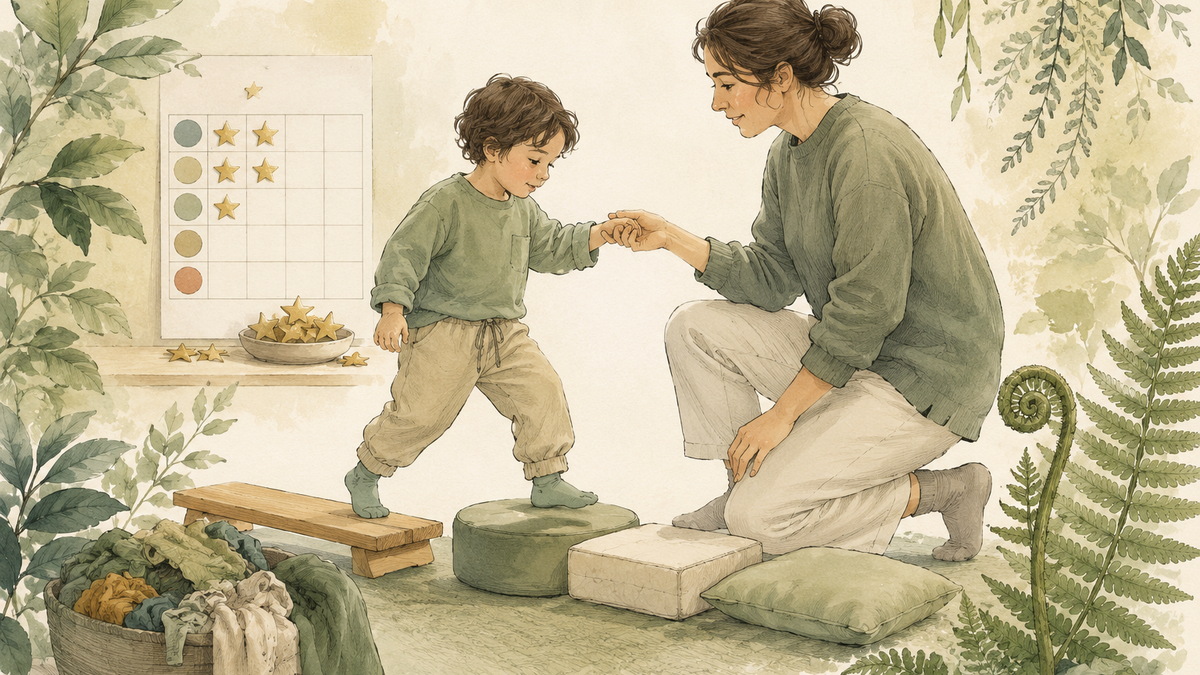
Why Rewards and Sticker Charts Don’t Work for Every Child
“Put your shoes on and you’ll get a sticker.”
“If you stay in your bed tonight, you can earn a star.”
“Five stars and you get a prize.”
Reward charts can be incredibly appealing.
They make expectations visible. They give children something concrete to work towards. And for some children, they can be genuinely motivating.
But what happens when the sticker chart works for three days and then loses its magic? Or when one child proudly collects every star while another seems completely unmoved by the same system?
Sometimes, the problem is not that the reward isn’t exciting enough.
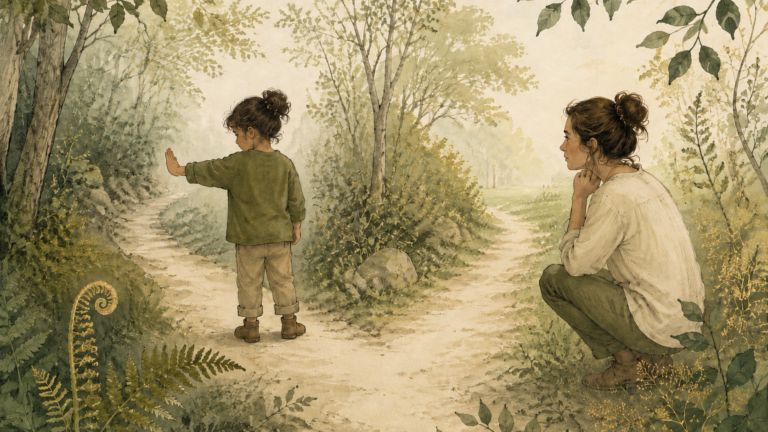
The child may be having difficulty with something that motivation alone cannot solve.
Rewards assume the child can do the thing
Most reward systems are built on a simple idea: if a child wants the outcome enough, they will be more likely to change their behaviour.
And sometimes that is exactly what happens.
A child who already has the skills to pack away their toys, but needs a little extra encouragement to get started, might respond beautifully to a sticker chart.
But many everyday parenting challenges involve more than willingness.
Getting dressed before school might require a child to stop an absorbing activity, shift attention, tolerate uncomfortable clothing, remember several steps, manage time pressure and organise their body.
Staying seated during dinner may require managing movement needs, sensory discomfort, boredom, impulse control and sustained attention.
Using “gentle hands” with a sibling may require noticing rising frustration, stopping an impulse and finding another way to communicate, all while emotions are already becoming intense.
A reward can increase motivation.
It cannot automatically create the skills needed to meet the expectation.
Knowing what to do is different from being able to do it
This is one of the reasons reward charts can feel so confusing for adults.
Your child may understand the rule perfectly.
They may be able to tell you:
“I have to keep my hands to myself.”
“I’m supposed to stay in bed.”
“I need to get dressed before I play.”
They might even desperately want the prize.
And then the same difficulty happens again.
It is tempting to think, But you know what you’re supposed to do.
The missing piece may be access to the skill in that particular moment.
Children’s capacity changes with fatigue, hunger, stress, sensory load, excitement, uncertainty and emotional intensity. A child who can manage something easily on Saturday morning may find the same task much harder during the rush before school.
When a child is highly overwhelmed, flexible thinking, inhibition and problem-solving can also become harder to access.
The sticker on the fridge does not remove those demands.
Sometimes the reward becomes another source of pressure
For some children, reward systems feel encouraging.
For others, they can make an already difficult situation feel even bigger.
Imagine a child who has been trying all week to earn five stickers for staying in their own bed.
They manage Monday.
Tuesday goes well.
Wednesday night, they wake frightened and climb into their parent’s bed.
Now they have lost the chance to earn their sticker.
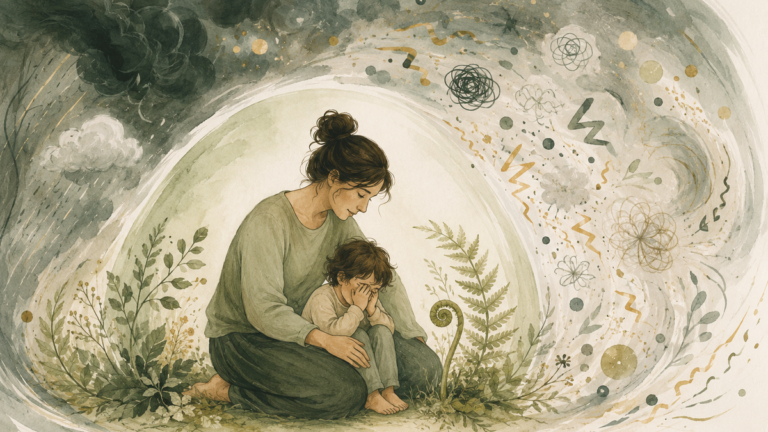
The original difficulty is still there, but another feeling may have been added: disappointment, shame, frustration or anxiety about failing the chart.
A system designed to motivate can accidentally communicate:
You would be able to do this if you tried hard enough.
That may not be what the adult means at all.
But if the child is already trying hard, it can be a painful message to receive.
Look at what the chart is asking the child to do
Instead of starting with, “What reward will motivate them?”, it can be useful to ask:
What skills does this expectation require?
If the goal is “get ready for school without reminders”, break that down.
Does your child need support to remember the sequence?
Would pictures of clothes, breakfast, teeth, shoes and bag help more than repeated verbal instructions?
Are they becoming distracted halfway through?
Is getting dressed difficult because clothing feels uncomfortable?
Do they struggle most with stopping play?
Does the morning routine contain too many steps to hold in mind at once?
The behaviour we see at the end may be “not getting ready”.
The useful support may have very little to do with motivation.
It might be a visual routine, fewer instructions at once, clothes chosen the night before, an adult helping the child get started, movement between tasks, or a more predictable finishing point for play.
Support the skill underneath the behaviour
The same thinking can be used with many common reward-chart goals.
If a child keeps leaving the dinner table, perhaps the question is not only, “How do we get them to stay?”
Could their body need movement? Is dinner lasting longer than they can realistically manage? Is the sensory environment uncomfortable? Would allowing a brief movement break support participation better than asking them to earn a sticker for sitting still?
If a child frequently hits when frustrated, earning stars for “keeping hands to yourself” may not be enough.
They may need an adult to notice escalation earlier, help create physical space, block hitting when necessary and later practise other ways of communicating anger.
“I won’t let you hit. I’m going to help you move back.”
Then, once everyone is calmer:
“You were really angry when she took the block. What could we try next time?”
The goal is still safety.
But the focus shifts from rewarding the absence of a behaviour to helping the child build the capacity they need.
This doesn’t mean rewards are always bad
Rewards are not automatically harmful, and families do not need to feel guilty for using them.
They can be helpful when the expectation is realistic, the child has the necessary skills, and a little extra motivation genuinely makes the difference.
A sticker chart might make toothbrushing more fun for a child who can manage the routine but finds it boring.
A class might enjoy adding marbles to a jar as they work towards a shared celebration.
A child might love tracking their progress towards something they have chosen to practise.
The question is not whether rewards are “good” or “bad”.
It is whether they match the problem we are trying to solve.
If the difficulty is primarily motivation, an incentive may help.
If the difficulty involves regulation, sensory needs, executive functioning, anxiety, communication, developmental capacity or an expectation that is currently too demanding, we may need something else.
Be careful when connection becomes the reward
There is another distinction worth making.
Warmth, attention, reassurance and connection are not prizes children should have to earn through good behaviour.
A child may lose access to a particular privilege because of a reasonable boundary or consequence. But our relationship with them does not need to disappear alongside it.
“You didn’t earn the extra game tonight” can coexist with:
“Come and sit with me. I know you’re disappointed.”
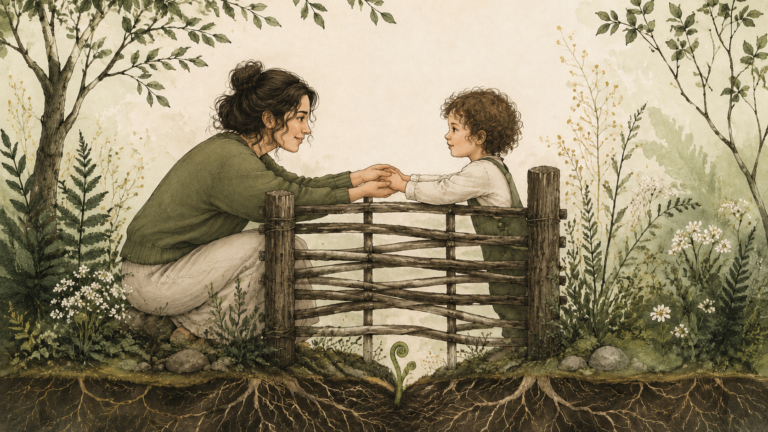
Children learn within relationships. Connection is part of what supports regulation, participation and developing skills in the first place.
It does not need to be withheld until the child performs correctly.
When the sticker chart stops working, get curious
If your child responds beautifully to rewards, you do not necessarily need to stop using them.
But if you find yourself offering bigger prizes, adding more stickers, reminding constantly about what they could earn, and still seeing the same difficulty, it may be worth changing the question.
Instead of:
“How do I make them want to do this?”
Try:
“What is making this hard?”
“Do they have the skills this situation requires?”
“What support could make success more accessible?”
Sometimes motivation is part of the answer.
Sometimes it isn’t.
And when a child continues to struggle despite wanting the sticker, the treat or the prize, that struggle may be telling us something useful.
The goal is not simply to find a stronger reward.
It is to understand what the child needs in order to participate, develop the skill and gradually do more for themselves.